
JGI/Tom Grill | Tetra images | Getty Images
When it comes to paying for long-term care — potentially one of the biggest costs in retirement — 39% of middle-class households expect to turn to Medicare, according to a new survey from the American Council of Life Insurers, an insurance industry trade group.
Yet there is one problem with that plan: Medicare generally does not cover the expenses associated with long-term care, which includes medical and non-medical care for people with chronic illnesses or disability.
There are generally three choices when it comes to paying for long-term care: Medicaid, insurance or self-funding, experts said.
“People assume Medicare is their long-term care plan,” said Jeff Judge, a certified financial planner and managing partner at Chesapeake Financial Planners in Forest Hill, Maryland.
“It isn’t, and finding that out during a crisis is the worst possible time,” Judge said.
Self-funding long-term care may be hard
Constantinis | E+ | Getty Images
Nearly 20% of middle-class households plan to self-fund long-term care expenses, according to the August survey, based on the responses of 1,404 middle-class households earning $50,000 to $150,000 in annual household income.
However, data shows that middle-income households may not have the financial resources to self-fund those costs.
The affordability of long-term care has worsened for middle-class Americans, according to a March report from the AARP Public Policy Institute, a policy research arm within AARP, an advocacy group for older adults.
The middle class is effectively “priced out” of nursing home care across the country, while the cost of home care is up 39% since 2021, outstripping the overall inflation rate, according to the AARP report.
People are anxious about the costs of both their immediate and long-term needs, said David Chavern, president and CEO of ACLI.
“People are worried about outliving their money, but also probably don’t have a good understanding about what’s involved with long-term care and what they can do about it,” Chavern said.
Someone who is turning 65 has a nearly 70% chance of needing some type of long-term care services, according to 2020 data from the Department of Health and Human Services.
How Medicare addresses long-term care
Medicare generally does not cover long-term care services, according to KFF, a nonprofit health policy research group.
However, in certain circumstances Medicare will step up to help pay for qualifying long-term care. The program spends more than $100 billion each year on long-term services and supports, Andrew Biggs, a senior fellow at the American Enterprise Institute, a conservative think tank based in Washington, wrote in July. That exceeds the total sum households pay out of pocket, he wrote.
Medicare may cover up to 100 days of care in a skilled nursing facility following a qualifying hospital stay, according to KFF.
However, Medicare will not cover certain care that does not follow a qualifying hospital stay, such as long-term nursing facility care, custodial nursing facility care or nursing facility care, according to KFF. For example, Medicare will only cover skilled nursing facility care following a qualifying inpatient hospital stay of at least three days in a row.
Yet KFF’s polling has found 4 in 10 people still incorrectly identify Medicare as the main source of coverage for low-income people in nursing facilities.
Instead, a different federal program – Medicaid, the federal health program for low-income households – is the primary payer for nursing facility care for low-income people, according to KFF.
“People often confuse Medicare with Medicaid when it comes to long-term care,” said Carolyn McClanahan, a physician, certified financial planner and founder of Life Planning Partners in Jacksonville, Florida.
“Medicaid covers long-term care,” said McClanahan, a member of CNBC’s Financial Advisor Council. “Medicare covers some initial skilled care, but not ongoing long-term care.”
How to plan for long-term care
Getting Medicaid coverage for long-term care is not easy.
“Medicaid is only available if you run out of resources to pay for long-term care,” McClanahan said.
Moreover, every state has different Medicaid rules when it comes to both income limits and assets that households can own to qualify, McClanahan said. That makes it important to know the rules in your state, she said.
Households that don’t expect to have financial resources to pay for long-term care may want to learn about Medicaid before they will need it in order to plan appropriately, she said.
Other prospective retirees may opt to either purchase long-term care insurance, provided they can afford the premiums, or self-fund their care when they reach that point, according to McClanahan.
Even for those people who have plenty of money, “it’s amazing how fast you can blow through your resources” paying for care, she said.
Long-term care costs can be substantial. A semi-private room in a nursing home may cost $114,975 annually, based on the national median daily rate of $315 per day, according to a 2025 cost of care survey from CareScout, a subsidiary of Genworth, an insurer, that works to help find care for older adults.
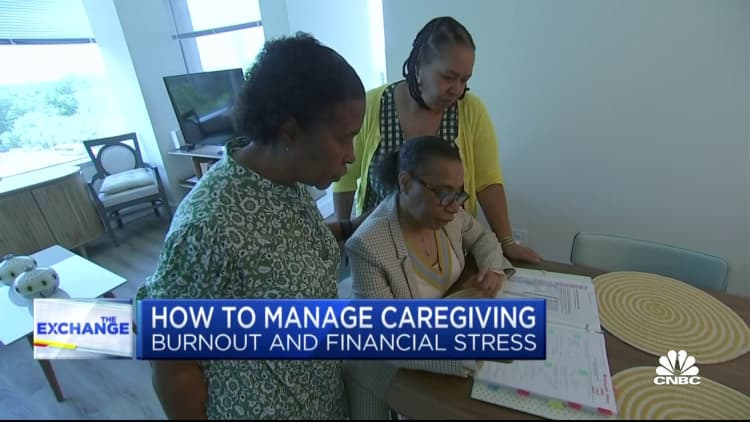
People should start planning for long-term care in their 50s or 60s, not 70s, Judge said.
“I would tell people to do it [even] earlier than that if they had the means,” he said.
Shopping around for insurance policies earlier can help reduce premium costs, Judge said. That may also allow for the selection of adds-ons to the insurance contract — known as “riders” — that might not be affordable later, such as cost of living adjustments, he said. COLAs provide increases to daily or monthly benefit amounts to keep pace with inflation.
Source link